After a tough afternoon of meetings and deadlines, I thought some light stretching could ease my stress. However, my attempts at yoga turned into a comedy show—every time I tried to bend and stretch, my dog would run under me, causing me to suddenly lose my balance. Eventually, I ended up in a fit of giggles instead of finding my zen. It reminded me that even in stressful moments, it’s important to release some tension and find joy in the chaos!
Remote work has changed how millions of people do their jobs, turning what was once a rare luxury into a common way of working. While it offers flexibility and saves us from long commutes, it also brings its own set of stresses. The lines between home and work have blurred, leading to feelings of loneliness, burnout, and the struggle to balance work with personal life. It’s important to recognize these challenges, as managing stress effectively is key to maintaining both your mental and physical health—not to mention boosting your productivity!
1. Pinpointing Your Worst Stress Triggers
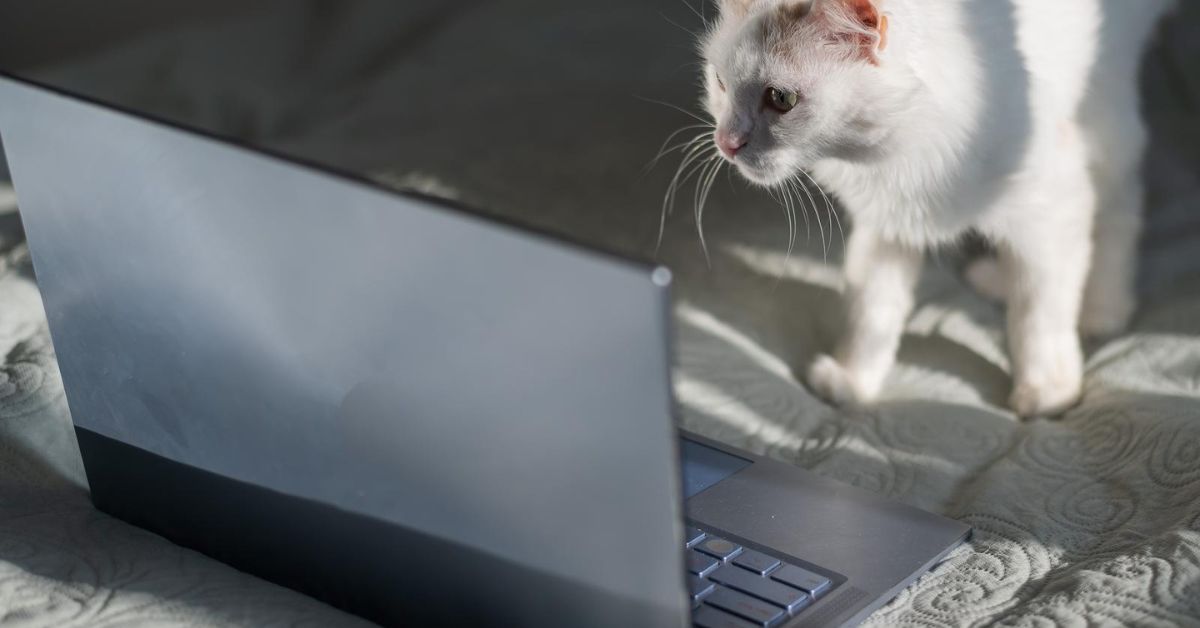
A white cat stands on a bed, looking at an open laptop.
Picture this: You’re sitting in your comfy home office, ready to tackle the day’s work, when suddenly the dog barks, the dishwasher hums, and your neighbor begins their daily garage band rehearsal. Remote work isn’t always as calm as it sounds. Isolation, blurred boundaries, and endless distractions are just a few stress triggers remote workers face.
Understanding these stress triggers is the first step to managing them. Isolation can quickly impact mental well-being, while the “always-on” feeling can lead to burnout. By recognizing how these challenges pile up, you can start addressing them before they affect your productivity and peace of mind.
2. Establish a Focus-Related Workspace
Designing a dedicated workspace is like giving your brain a cue: “Time to work!” Ideally, this space should be distraction-free and equipped with ergonomic furniture that supports long work hours. Think of it as your productivity haven—a comfy chair, a desk at the right height, and good lighting can make all the difference.
Bonus: If your current “office” is also your dining table, try tidying up and adding something simple like a small plant or a desk organizer. It’s amazing how these little changes can signal your brain that it’s time to get serious.
3. Master Your Day with an Organized Routine
Remote work often blurs the line between professional and personal time, making it tempting to sneak in “just one more email” after hours. Creating a clear daily schedule can help you balance your day. Start your mornings with tasks that require focus and set specific times for breaks and meals.
Pro tip: Build in a little flexibility. Life happens—like when your kid suddenly decides they’re a future Picasso and turns your workspace into their art studio. A balanced schedule that allows for these moments keeps stress at bay.
4. Set Aside Time for Breaks to Recharge
Remember that time you worked for five hours straight and wondered why you felt like a zombie afterward? Yeah, let’s not do that again. Regular breaks are essential for resetting your brain and avoiding burnout. A quick stretch, a stroll around the block, or even five minutes to stare out the window can work wonders.
Here’s an idea: Set an alarm to remind yourself to step away from your screen. It’s like giving your mind a mini-vacation before diving back into work.
5. Use Mindfulness Practices to Reduce Stress
When the stress starts piling up, mindfulness can be your secret weapon. Deep breathing, meditation, or even pausing to focus on your surroundings can bring you back to the present moment. Imagine this: You’re mid-project, feeling overwhelmed, and then you take two minutes to close your eyes and breathe deeply. Feels better already, doesn’t it?
There are plenty of mindfulness apps to guide you, making it easy to incorporate this practice into your day—even if you only have five minutes.
6. Apply Ergonomics for Better Comfort and Posture
Working on the couch might seem appealing, but it’s your body’s worst enemy in the long run. Ergonomics isn’t just a fancy word—it’s the key to staying physically comfortable while working remotely. Ensure your screen is at eye level, use a chair that supports your lower back, and keep your wrists aligned.
Think of it this way: You wouldn’t run a marathon in flip-flops, so why work a full day in an unsupportive chair?
7. Establish Limits in Your Personal and Professional Lives
Boundaries are your best friend when working remotely. When the office is just a few steps away, it’s easy to let work seep into personal time. Set clear start and end times for your workday, and stick to them.
Pro tip: Use your phone’s “Do Not Disturb” feature to avoid work interruptions during your downtime. Trust me, the world won’t end if you don’t answer an email at 10 p.m.
8. Engage with Coworkers to Fight Isolation
Remote work can sometimes feel, well, remote. Combat isolation by connecting with your colleagues. Schedule virtual coffee breaks or team-building activities to maintain that sense of camaraderie.
Don’t underestimate the power of a quick Slack message to say, “Hey, how’s it going?” Small gestures can go a long way in making you and your teammates feel connected.
9. Get Moving to Boost Your Mood and Reduce Stress
Sitting all day isn’t just bad for your health—it’s a stress amplifier. Physical activity releases endorphins, which boost your mood and energy levels. A quick yoga session, some desk stretches, or even a dance break to your favorite song can do wonders.
Pro tip: If you’ve ever tried answering emails while on a treadmill, you know it’s a bad idea. But a short walk outside? Pure magic.
10. Use Relaxation Methods to Control Stress Levels
Relaxation doesn’t have to mean an hour-long spa day (though that sounds nice). Simple techniques like progressive muscle relaxation or visualization can help. Picture yourself on a peaceful beach, no emails, no deadlines—just you and the sound of waves.
11. Make Healthy Snacks and Meals to Maintain Energy
Snacking on chips while working might feel satisfying at the moment, but it’s not doing your energy level any favors. Opt for healthy snacks like nuts, fruit, or yogurt. A balanced diet helps stabilize your blood sugar, keeping you energized and focused.
Pro tip: Meal prep on weekends so you don’t fall into the “I’ll just grab whatever’s in the fridge” trap.
12. Reduce Screen Time to Prevent Digital Illness
Staring at a screen all day is exhausting. Reduce eye strain with the 20-20-20 rule: every 20 minutes, look at something 20 feet away for 20 seconds. After work, give your eyes a break by stepping away from screens entirely.
13. Learn Time Management Techniques to Lower Stress
Feeling overwhelmed by tasks? Prioritize your to-do list by urgency and importance. Use time-tracking apps to stay on schedule, and don’t forget to celebrate small wins throughout the day.
14. Foster Patience and Self-Compassion When Facing Challenges
Not every day will be perfect, and that’s okay. Be kind to yourself when things don’t go as planned. Practice gratitude, acknowledge your progress, and remember it’s a marathon, not a sprint.
15. If Stress Continues, Seek Professional Assistance
Sometimes, stress requires a professional touch. Virtual therapy is more accessible than ever, offering tailored strategies to help you manage. Remember, seeking help is a sign of strength, not weakness.
Conclusion: Taking Charge of Your Stress Relief Journey
Red-haired person with glasses smiling while seated at a desk with a laptop, holding a pen.
Remote work certainly comes with its own set of challenges, but with a few thoughtful strategies, you can boost your productivity while prioritizing your well-being. By embracing these stress-relief tips, you’ll transform your workspace into a supportive haven that nurtures your goals, happiness, and health. Remember to be gentle with yourself—progress takes time, and it’s okay to have off days. Celebrate your small victories along the way, and keep seeking what makes you feel balanced and energized. You’ve got this, and with each step, you’re creating a healthier, happier work life!
Nothing beats the coziness of a warm and inviting home office during the winter months. A comfortable workstation can make all the difference in your daily productivity and focus. We all know the struggle of trying to concentrate while shivering, right? The right heating solution is essential for creating an environment where you can work without the distraction of the cold. Plus, staying warm is crucial for keeping those creative and productive juices flowing!
In this guide, we’ll dive into a range of winter home office heating options to suit every space, budget, and personal taste. From portable space heaters that bring warmth to any corner to under-desk warmers and even indulgent radiant floor heating, we’ve got you covered! Imagine settling into your cozy workspace, knowing you’ve chosen the perfect solution to fend off the winter chill. Get ready to transform your office into a snug haven you’ll love stepping into each day!
Evaluating Your Needs for Heating
Before investing in a heating solution, it’s essential to evaluate your specific space and needs. If your home office is small, a portable heater might be all you need to stay toasty. For larger rooms, consider more powerful options like electric radiators or even radiant floor heating.
Start by noting the size and layout of your office, identifying any drafty areas, and factoring in the amount of natural light it receives. Even simple upgrades like better insulation or window coverings can make a big difference in how warm your space stays.
Portable Space Heaters: An Adaptable Option
Imagine this: You’re shivering at your desk, wearing two sweaters, and sipping your third cup of tea, and yet the cold persists. Enter the portable space heater, a hero for small to medium-sized spaces. These lightweight and flexible devices let you direct heat where it’s needed most.
Ceramic heaters warm up quickly and distribute heat evenly, while infrared heaters provide focused warmth. If you prefer a quieter option, oil-filled radiators are an excellent choice, they stay warm even after being turned off, much like a toasty hug that lingers.
Electric Warming Panels for Reliable Temperature
Electric radiators are another effective solution, offering consistent, adjustable warmth throughout the day. Unlike portable heaters, these devices use convection to circulate warm air, creating a steady, cozy environment. With their oil-filled construction, radiators retain heat long after they’re switched off, making them both energy-efficient and reliable for medium-to-large spaces.
Options for Under-Desk Heating for Added Comfort
If you’re like me and your feet always seem to freeze in winter, under-desk heaters are a game changer. These nifty gadgets target warmth where you need to most—your lower body. Under-desk heating panels and mats are compact, energy-efficient, and perfect for tiny, drafty offices.
Adjustable Thermostats for Enhanced Management
Programmable thermostats are like having a personal assistant for your heating needs. They let you schedule when your heater turns on or off, keeping your office warm only when you need it. And if you’re a fan of staying in bed just a little longer, smartphone-compatible thermostats let you warm your workspace remotely. Now that’s what I call a productive morning hack!
Electric Fireplaces: Cozy and Comforting
Nothing says “winter vibes” like an electric fireplace. These elegant heaters combine function and style, offering adjustable heat settings and realistic flame effects. Whether you’re drafting emails or brainstorming ideas, an electric fireplace adds warmth and a cozy ambiance that makes working feel a little more like relaxing.
Radiant Floor Heating: The Highest Level of Comfort and Luxury
Radiant floor heating is the gold standard for winter warmth. Imagine stepping into your office and feeling gentle, even warmth underfoot—it’s pure bliss. While installation can be more involved, DIY kits make this luxurious option surprisingly accessible. For those who prioritize comfort, radiant floor heating ensures a consistently warm and inviting workspace.
All Year Round Heating and Cooling with Heat Pump Systems
Heat pumps are the multitaskers of the heating world. They provide both heating and cooling, making them a year-round investment. By transferring heat from the air or ground, they’re incredibly energy-efficient and perfect for larger spaces. Plus they’re a sustainable option that helps you stay comfortable while being kind to the planet.
Insulating Your Workplace to Increase Heat
Good insulation is the unsung hero of a warm home office. Seal gaps in windows and doors with weather stripping, and consider thermal curtains to reflect warmth back into the room. Adding a thick rug not only keeps your feet cozy but also traps heat, making your space feel more inviting.
Person in a knit hat and scarf using a laptop, sitting on the floor near a radiator. A ginger cat rests on folded clothes on a chair beside them.
Rugs and Window Treatments to Add Coziness
Thermal curtains or insulated blinds are your winter best friends. They block cold air from creeping in while keeping warm air inside. Pair them with a plush rug for extra insulation and a touch of style because who says staying warm can’t be chic?
Layering Up to Stay Warm Without Extra Energy Cots
Sometimes the simplest solutions are the most effective. Layer up with thermal socks, cozy sweaters, and a soft blanket for your lap. Not only does this save on heating costs, but it also makes your office feel like your personal winter retreat.
Sustainable Heating Solutions for Conscientious Buyers
For those looking to minimize their carbon footprint, eco-friendly heating options like solar-powered heaters or energy-efficient bladeless designs are great choices. These stylish, modern heaters keep your space warm without compromising the environment or your decor.
Low-Cost Heating Options for Do-It-Yourself Comfort
Need warmth on a budget? Try radiator reflectors to redistribute heat, or draft stoppers to block cold air. Even something as simple as covering windows with foil can make a noticeable difference. These DIY tricks are cost-effective ways to stay cozy without breaking the bank.
Preserving Air Quality During Heating
While heating keeps you warm, it can dry out the air. Combat this with a humidifier to maintain a comfortable level of humidity. An air purifier can also help reduce dust and allergens, ensuring your office stays fresh and breathable all winter long.
Winter Home Office Heating Solutions: Cost-Saving Advice
Little changes can lead to big savings. Turn off heaters when not in use, close doors to contain warmth, and lower the thermostat by a few degrees. Focused heating like under-desk warmers can keep you comfortable without wasting energy.
Safety Advice for Winter Heating Solutions
Safety should always come first when using heating systems. Follow these tips to ensure a warm and safe workspace:
Use stable surfaces: Place heaters on flat, sturdy surfaces to prevent tipping.
Keep flammable items away: Maintain a safe distance from combustible materials.
Turn off when unattended: Never leave heaters on when you’re not in the room.
Inspect regularly: Check cords and filters for damage.
Opt for built-in safety features: Choose heaters with automatic shut-off and tip-over protection.
Using Natural Heat Sources to Create a Cozier Workspace
Maximize natural sunlight to warm your office by rearranging furniture to catch the rays. Mirrors can help reflect light while opening curtains during the day floods your workspace with warmth and brightness.
Best Product Selections for Winter Heating Options
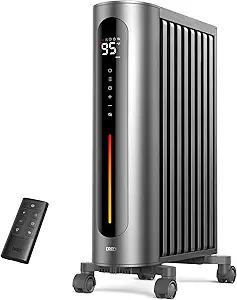
The Dreo Oil Filled Radiator Heater is designed to deliver consistent warmth while being energy-efficient, making it an ideal choice for any room in your home. Its sleek design and silent operation create a cozy atmosphere without compromising your comfort. Experience the perfect blend of style and functionality, ensuring you stay warm throughout the winter months while keeping your energy bills in check.
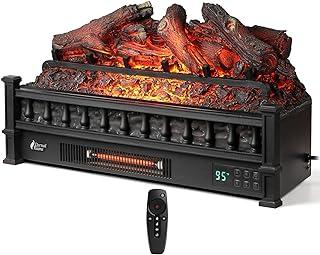
The Turbro Fireplace Heater not only provides efficient heating but also creates a stunning focal point in any room with its realistic flame effects. Enjoy the cozy ambiance and instant warmth, all while benefiting from its adjustable settings that cater to your personal comfort needs. Transform your space into a welcoming retreat, where comfort and aesthetics meet seamlessly.
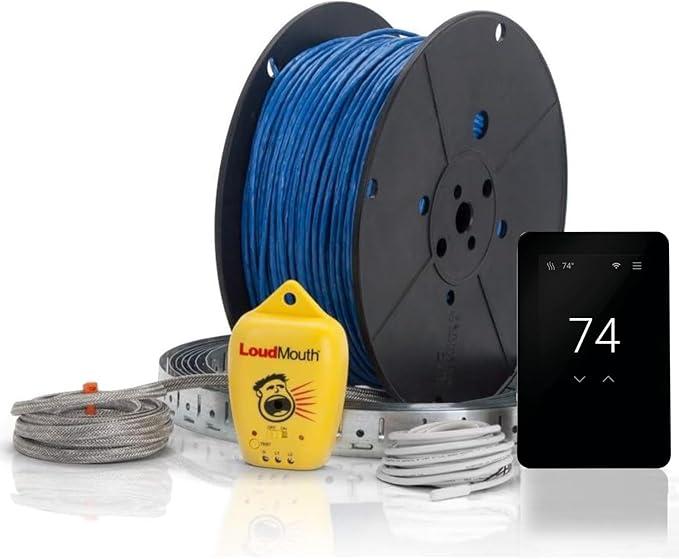
The Warmwire Floor Heating Kit offers a luxurious way to elevate your home’s comfort by transforming cold floors into a soothing warmth you can feel. Easy to install and compatible with various flooring types, this kit provides efficient heat distribution, ensuring every corner of your space stays cozy. Experience the ultimate in comfort and energy savings, making chilly mornings a thing of the past.
You may customize your configuration to suit your requirements and tastes with any of these devices since they each provide a distinctive option for heating your home office throughout the winter. Maintain warmth, productivity, and a welcoming environment to make winter workdays enjoyable.
Conclusion: Finding the Perfect Heating Solution
Creating a warm and inviting home office is so important for keeping your productivity soaring during those chilly winter months. Whether you opt for a stylish fireplace to set the perfect vibe, a cozy under-desk mat that feels like a warm hug for your feet, or energy-efficient radiators that keep your space toasty, there’s definitely a solution that fits your home and budget. And don’t forget, pairing these heating options with smart insulation and cost-saving tips can really elevate your cozy game! A comfortable environment can work wonders for your focus and creativity—after all, who can concentrate while bundled up in three blankets? So, take a moment to personalize your space and embrace the winter season with a workspace that feels not just warm but downright delightful. With the right heating secrets in place, you’ll be ready to tackle your tasks and maybe even brew a cup of cocoa to celebrate one cozy accomplishment after another!
Imagine this: You’re in the middle of an important video call, making one of your frequent stellar points to your team when suddenly your neighbor starts mowing their lawn with a vengeance. Or worse—your dog decides it’s time to serenade the delivery driver. Sound familiar? Noise-canceling headphones are the superhero cape you need in the moments, swooping in to save your focus and your sanity.
Both benefits and challenges have come with the shift to remote employment. Many benefits, such as comfort and flexibility, come with working from home, but there are drawbacks as well, especially when there’s continuous background noise from daily activities. Kids playing, household appliances humming, or the sound of cars outside are examples of these distractions that may drastically lower productivity. Noise-canceling headphones have become an essential tool for remote workers since they may give both a quiet and a more focused work environment.
Beyond just isolating noises, noise-cancelling headphones have other uses. When you need a break, they provide a quiet sanctuary where you can relax and refocus. They also help you stay awake during meetings—because let’s be honest, we’ve all had that one meeting that felt like it was narrated by a sleep app. These days, purchasing headphones is important to get the most out of a word-from-home arrangement.
The Significance of Noise-Canceling Headphones for Remote Work
There are many distractions while working from home, which might reduce productivity. Small noises can pull you away from your task and cause you to lose focus. With the help of noise-cancelling headphones, you can ignore these distractions and establish a more productive workspace.
They also make virtual meetings and calls a breeze. No more missing half the conversation because your kid’s cartoon decided it was time to hit a high note. Noise-canceling headphones ensure clear sound so you can concentrate fully on discussions and keep misunderstandings at bay.
Comprehending the Operation of Noise-Canceling Technology
Here’s a fun fact: Noise-cancelling headphones work like those intra-prepared friends who always have a solution to any problem. They use tiny built-in microphones to pick up external noise and then counteract it with sound waves of the opposite frequency. It’s science and magic wrapped in one!
This technology works best for steady, low-frequency noises like the hum of your air conditioner or the distant growl of traffic—so while they can’t silence your chatty toddler, they can block out that annoying neighbor who seems to love their leaf blower a little too much.
The Advantages of Noise-Canceling Headphones for Workplace Efficiency
Distractions abound while working from home, and even little ones might cause you to lose concentration. Using noise-canceling headphones may significantly increase your focus and help you remain focused and in the zone. This is particularly crucial for assignments requiring in-depth analysis or creativity.
Headphones with noise cancellation also lessen mental exhaustion. Your brain can concentrate better on the task at hand if it is not required to continuously block out background sounds. This results in higher output, better quality work, and a more fulfilling remote work environment.
Cutting Down on Distractions in a Noisy House
It might be challenging to stay focused in a loud house, particularly if you live with relatives or roommates. With noise-canceling headphones, the pandemonium around you is kept at bay. Whether it’s kids running about, dogs barking, or the neighbor cutting the grass, you can block out the sounds and create your own peaceful work area with these headphones.
Picture this: You’ve finally found your groove, typing away at full productivity speed, when suddenly your roommate decides it’s time to practice their new “drumming” skills on the kitchen counter. Sound familiar? Noise-canceling headphones can help you keep the chaos at bay and focus on what truly matters—like hitting that deadline.
Increasing Concentration and Focus in Online Meetings
While virtually facilitated meetings are an essential component of remote work, they are not without difficulties. Background noise from both parties might break up the flow of the discussion and cause misunderstandings or missed facts. Noise-canceling headphones ensure that you don’t miss a word by producing crystal-clear audio, which helps to resolve these problems.
Furthermore, many noise-cancelling headphones have microphones integrated into them, which help block out surrounding sounds. This implies that even in the midst of commotion, other people can clearly hear you.
The Value of Comfort in Extended Work Sessions
Working from home often means spending a lot of time in front of a computer. Long-term usage of uncomfortable headphones may lead to headaches and other forms of pain. Ergonomically built, noise-canceling headphones with cushioned ear cups and adjustable headbands provide optical comfort.
Long-lasting comfort from high-quality headphones enables you to use them all day without experiencing fatigue in your head or ears. Because comfort and concentration go hand in hand, this makes them perfect for extended work hours.
Which Style is Best for Working from Home: Over-Ear or In-Ear?
Choosing between in-ear and over-ear noise-canceling headphones is a crucial choice when selecting them for your work-from-home arrangement. Because they fully enclose your ears with big, padded ear cups, over-ear headphones provide excellent noise isolation. They are a wonderful solution for extended workdays because of their comfy design and ability to filter out loud, persistent sounds.
On the other hand, in-ear headphones are small and light. They are a better option if you want something smaller, but they may not provide as much comfort or noise isolation for prolonged usage. Your personal tastes and the amount of noise isolation you want will determine which option is ideal.
Noise-canceling headphones: Wireless or Wired?
Selecting wired or wireless noise-canceling headphones is another crucial decision. More mobility is possible with wireless headphones, which let you wander away from your workstation during conversations without being connected to your device. During working hours, this may be very helpful for multitasking around the home.
Although they are less adaptable, wired headphones provide a reliable connection and don’t need batteries. They are a fantastic option for those who value audio clarity since they could also provide somewhat superior sound quality.
Top-Rated Noise-Canceling Headphones for Home Office Work
While there are numerous noise-cancelling headphones available, a few stand out due to their exceptional comfort, performance, and affordability. Here are five excellent suggestions:
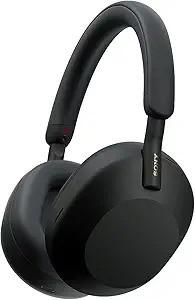
The Sony WH-1000XM5 is a popular choice for remote workers since it provides outstanding sound quality and the best noise cancellation in the business. Even after prolonged use, comfort is guaranteed by its lightweight construction. It’s ideal for lengthy workdays because of its wireless connection and high battery life (up to 30 hours).
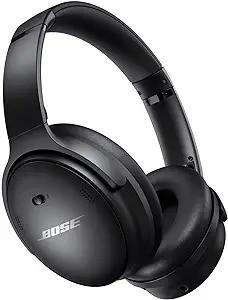
The Bose QuietComfort 45, well-known for its exceptional noise cancellation, has an over-ear style that is comfortable and ideal for all-day usage. Clear calls are guaranteed with the integrated microphone and superb sound quality. It’s an excellent option for those who have to concentrate in loud places.
The Apple AirPods Pro 2 is a great choice for anyone who likes in-ear headphones. They integrate seamlessly with Apple devices and include features like transparency mode and active noise suppression. They provide strong noise reduction in spite of their small size, which makes them excellent for distant work.
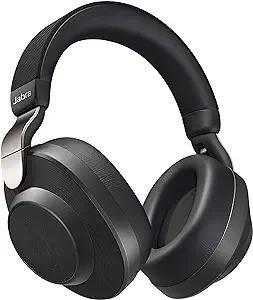
Together with excellent noise suppression, the Jabra Elite 85h has a chic appearance. With a battery life of up to 36 hours, you may use it for many days without having to charge it. These headphones are perfect for business usage because of the crystal-clear sound and high fidelity during conversations.
sound quality not on the level of others on this list (but still great)
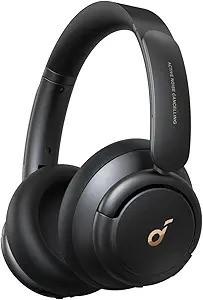
The Anker Soundcore Life Q30 is a more cost-effective choice that provides excellent noise cancellation and comfort at an economical cost. With a 40-hour battery life, it’s ideal for anyone who wants to purchase noise-cancelling gear without going over budget.
Changing the Noise-Canceling Configurations for Your Home Office
You may change the amount of noise reduction in many noise-canceling headphones based on the surroundings. When you need to keep distractions out while maintaining awareness of your surroundings, several models include a feature called “ambient mode” that allows a small amount of outside sound to enter the room. Your entire experience is improved and your auditory environment is more in your control thanks to these customizable options.
How to Keep Your Noise-Canceling Headphones in Good Condition
Maintaining your headphones is critical if you want them to last a long time. This involves routine cleaning to avoid the accumulation of dirt and oils, particularly in the area around the ear cups. To keep your headphones safe from harm, it’s also essential to keep them in their case while not in use. They will last longer and continue to function if you charge them correctly and keep them away from water.
Typical Issues and Troubleshooting Advice
Even while noise-cancelling headphones work really well, you could sometimes run into difficulties like decreased noise cancellation or connection troubles. Resetting the headphones, changing the firmware, or making sure the Bluetooth connection is steady are often ways to fix them. If problems still arise, you may try looking through the user manual or getting in touch with customer service.
Conclusion
If you work from home, noise-canceling headphones can truly be a game-changer! They create a distraction-free zone that helps you stay comfortable, productive, and focused throughout the day. Whether you’re vibing to your favorite music, joining virtual meetings, or diving deep into a project, these headphones can enhance every aspect of your remote work experience. Plus, with a wide variety of styles and price points available, there’s something for everyone—making it easy to find the perfect pair for your needs. Investing in noise-canceling headphones is more than just a purchase; it’s a step toward creating a work environment that empowers you to do your best. So, go ahead and treat yourself to a pair—your productivity (and your sanity) will thank you!
With remote work on the rise, having the right tools is more important than ever. A laptop isn’t just a device—it’s a game-changer for productivity, networking, and unleashing your creativity. Without a dependable laptop, even simple tasks can feel like climbing a mountain, turning your day into a frustrating slog. In today’s fast-paced world, the right laptop helps you maintain smooth workflows and stay connected, even during those marathon work sessions. Whether you’re tackling large data files, joining video calls, or brainstorming new ideas, having the right machine can seriously amp up your productivity. Plus, with so many options out there, you’re sure to find one that fits your unique needs and style. Let’s dive into the best laptops that can pave the way for your work-from-home success!
Key Features to Consider for Remote Work Laptops
Selecting the best laptop for remote work requires more than picking the most popular model. Several key features, from processing power to portability, can greatly impact your remote work experience. Let’s examine the essential elements that ensure your laptop meets the demands of working remotely.
Processing Power: Why a Fast Processor Matters
The central processing unit (CPU) is the brain of your laptop. The quality of your CPU largely determines your laptop’s speed and performance. Remote workers who use a range of applications—from project management to video conferencing—need a powerful CPU. Mid-range processors like AMD’s Ryzen 5 and 7 or Intel’s i5 and i7 are excellent for most users, providing seamless multitasking with minimal lag.
Memory: How Much RAM Do You Need for Multitasking?
RAM (Random Access Memory) allows your laptop to run multiple applications simultaneously. For basic tasks like email and document processing, 8GB of RAM is often sufficient. However, for more demanding tasks, such as programming, video editing, or running virtual machines, 16GB or more is recommended. Adequate RAM ensures smooth performance, keeping productivity levels high by preventing crashes and slowdowns.
Storage: SSDs vs HDDs
The choice between Solid State Drives (SSDs) and Hard Disk Drives (HDDs) often comes down to speed and capacity. SSDs offer faster startup times and near-instant file access, which is ideal for professionals who handle large files, such as graphic designers and data analysts. HDDs are more affordable and provide larger storage space but are slower. A smaller SSD is often preferable for remote work, especially if you use cloud storage for most of your files.
Battery Life: Providing Through Long Workdays
Battery life is crucial for remote work, especially for those who like to work from coffee shops, co-working spaces, or outdoors. The best laptops for remote work offer at least 10 hours of battery life. For demanding tasks like video processing, look for models with power-saving modes or effective battery optimization to maximize time between charges.
Portability: Striking the Right Size and Weight Balance
Portability is essential for remote professionals who are constantly on the move. A 13 to 14-inch laptop typically provides an ideal balance between lightweight portability and a spacious screen for productivity.
Display Quality: Choosing the Right Screen Size and Resolution
Remote workers often spend hours staring at their screens, making display quality a critical factor. A 13- to 15-inch screen with Full HD (1080p) resolution offers ample viewing area with clear, sharp visuals to reduce eye strain. For creatives, consider 4K screens or those with high color accuracy (100% sRGB) for vibrant and precise images.
Comfortable Keyboard and Trackpad for Long Typing Sessions
A comfortable keyboard can make a huge difference, especially for remote workers who type for extended periods. Look for a keyboard with responsive keys and an ergonomic layout to reduce hand and wrist strain. A smooth, precise trackpad with multi-touch gestures also boosts productivity by making navigation and multitasking easier.
Connectivity Options: USB-C, HDMI, and Thunderbolt
Remote work often requires connecting to various devices, such as external monitors or storage drives. Ensure your laptop has a good selection of ports like USB-C, HDMI, and Thunderbolt for easy connectivity. HDMI is crucial for external displays, and Thunderbolt 3 offers faster data transfers and device chaining, which is invaluable for tech-savvy professionals.
Security Features: Fingerprint Sensors, Camera Covers, and Built-in VPNs
Security is essential, especially when handling sensitive information. Look for biometric security options like fingerprint sensors and facial recognition to ensure only you can access your device. The built-in camera covers add privacy, and some laptops even come with integrated VPNs for added security on unsecured networks.
Quality Webcam and Audio for Video Conferencing
Video calls are increasingly common in remote work, making webcam and audio quality important. A high-definition (HD) webcam and dual speakers with noise-canceling microphones improve communication quality, ensuring you look and sound clear in virtual meetings.
Best Laptops for Remote Work Productivity
Let’s explore top laptop models suited for different needs and budgets:
Budget Laptops for Remote Work
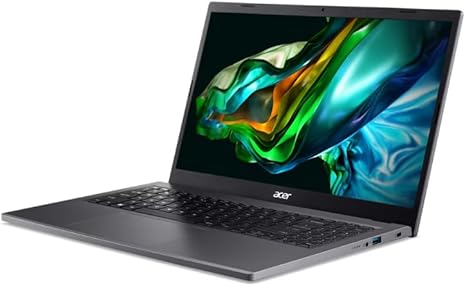
Acer Aspire 5
With a 10th-gen Intel Core i5 processor, 8GB RAM, and 256GB SSD, the Acer Aspire 5 is a reliable, affordable option with a Full HD display and lightweight design.
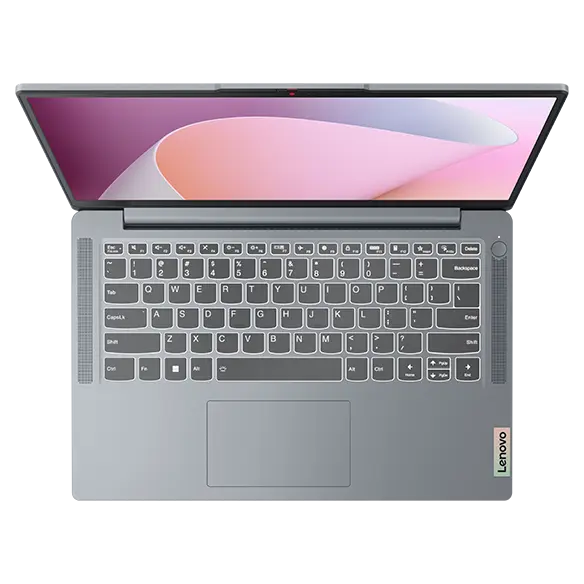
Equipped with an AMD Ryzen 5 3500U CPU, 8GB RAM, and a 512GB SSD, the Lenovo IdeaPad 3 balances performance and affordability, ideal for remote professionals seeking a capable yet budget-friendly laptop.
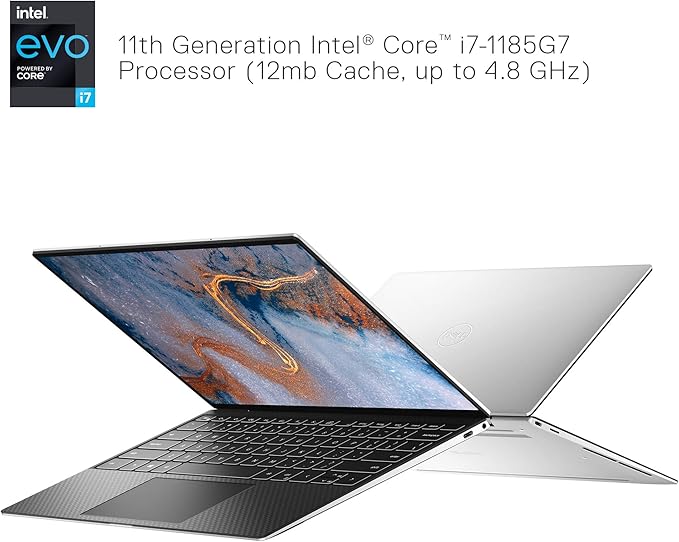
A longstanding favorite, the Dell XPS 13 combines power and style with an Intel Core i7 processor, 16GB RAM, and a 512GB SSD. Its extended battery life and sleek design add to its appeal.
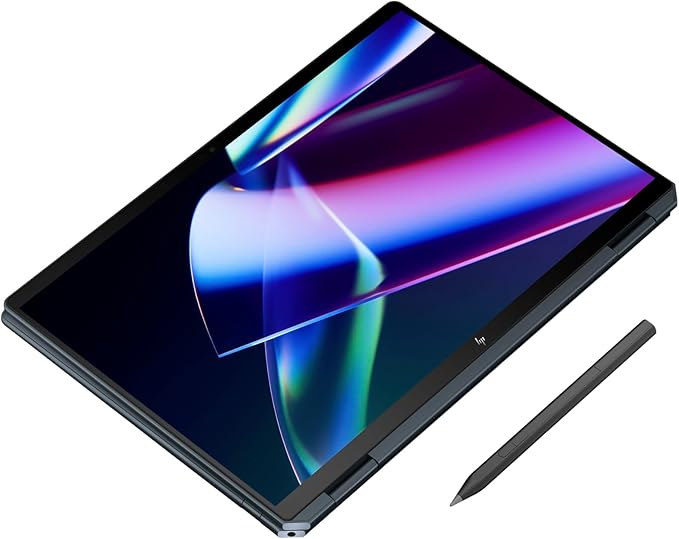
This versatile 2-in-1 laptop is laptop is powered by an Intel Core i7, with 16 GB RAM and a 1TB SSD. The HP Spectre x360 is ideal for creatives due to its flexible design, which functions as both a laptop and a tablet.
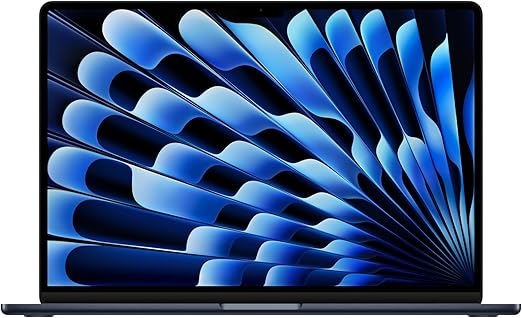
Apple’s M1 processor makes the MacBook Air a standout in speed and portability, with 8GB RAM, fanless design, and long battery life. Its Retina display enhances the remote work experience.
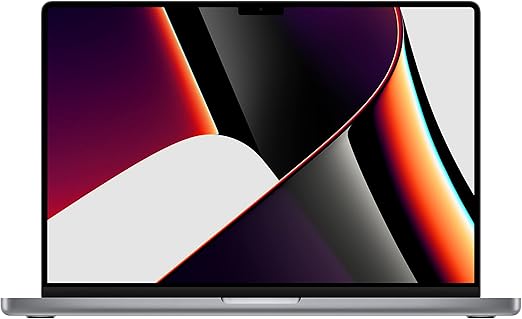
For power users, the MacBook Pro 16” with M1 Pro or Max processors, 16GB RAM, and a Retina Display is designed to handle demanding tasks like graphic design and video editing.
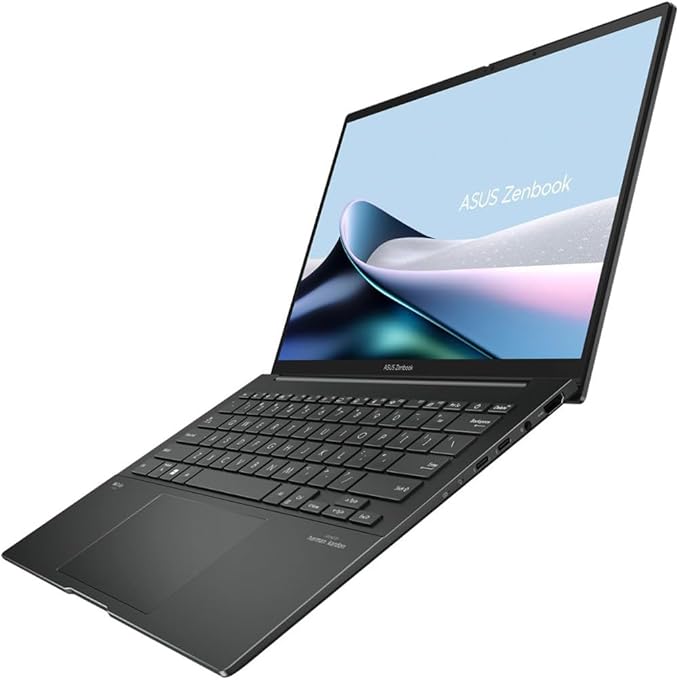
Lightweight yet powerful, the ASUS ZenBook 14 combines an Intel Core i7 processor, 16GB RAM, and a 512GB SSD, making it perfect for multitasking professionals.
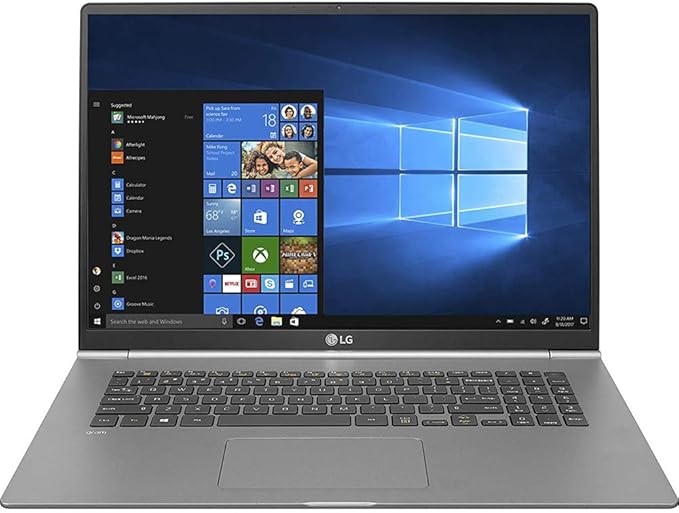
Known for its large 17-inch display and ultra-lightweight design, the LG Gram 17 offers up to 19.5 hours of battery life, perfect for professionals needing a large screen and long-lasting battery.
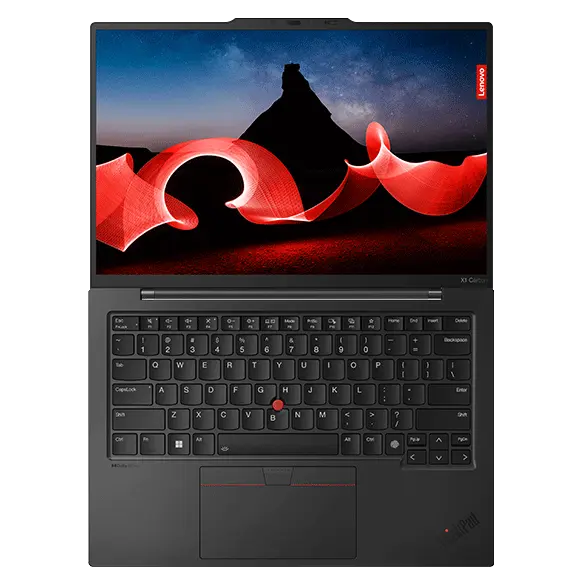
With up to 15 hours of battery life, the ThinkPad X1 Carbon is built for durability and portability, making it ideal for long workdays without sacrificing performance.
When choosing a laptop for remote work, it’s important to think about performance, portability, and usability. Luckily, there’s a model out there for every need, whether you’re on a budget or looking to splurge a bit. If you need something lightweight with a long battery life for those coffee shop work sessions or a powerhouse for running heavy software, the right laptop is waiting for you. By investing in a laptop that fits your lifestyle, you’ll not only stay connected and work efficiently but also create a workspace that inspires you to thrive in this flexible environment. Remember, the right technology can make all the difference in transforming your home office into a hub of productivity. So embrace the journey-your dream work partner is within reach!
A comfortable and useful workstation is essential for maximizing productivity in today’s fast-paced digital environment. Making the move to wireless technology is one way to do this, particularly with affordable wireless keyboard and mouse combos. Along with decreasing clutter and enhancing mobility, these solutions provide your desk with a neat, modern look. Whether you’re working from home or in a professional environment, inexpensive wifi options provide the best price, productivity, and convenience ratio. With more professionals adopting the wireless future, the days of tangled cables and limited mobility are quickly ending.
The Benefits of Wireless Technology in Workplace Settings
Because wireless technology offers many distinct advantages over traditional cable devices, it is completely changing how we interact with our workplaces. Office employees who spend a lot of time at their desks find that wireless devices greatly increase their comfort and flexibility. Your gadgets are not limited by wires, so you can easily move and rearrange them around your desk. Moreover, wireless technology lowers distractions by clearing your desk of an unsightly network of connections, resulting in a more organized and focused work environment. Furthermore, these devices are adaptable to various office setups, promoting innovation and collaboration.
A person is sitting at a desk with a computer, taking notes while watching an online presentation with a female speaker on the screen. The desk has a keyboard, mouse, tablet, and plants.
Utilizing Wireless Technology to Minimize Desk Disarray
Apart from being visually appealing, a desk devoid of clutter is crucial for enhancing focus and efficiency. Wireless keyboards and mice allow you to eliminate the clutter of cords that may take over your workspace. With fewer physical obstacles to overcome, you may devote more of your desk to more important tasks, such as notes, papers, or other accessories. Eliminating desk clutter not only improves the efficiency of your setup but also creates a calm and orderly atmosphere that may enhance your overall productivity and mental clarity.
Increasing Efficiency via Wireless Independence
Wireless gadgets are known for their freedom. Imagine not having to worry about cords and being able to move your keyboard and mouse about your desk. You may find the ideal posture that lessens the strain on your wrists and shoulders during extended work hours thanks to the additional ergonomic modifications made possible by this increased flexibility. Furthermore, wireless flexibility facilitates effortless transfers between sitting and standing postures, or even across the room, which is advantageous for those who often exhibit their work or communicate with colleagues. Comfort and productivity may coexist together with the correct wifi configuration.
A person uses a white computer mouse and keyboard on a white desk.
Recognizing the Disparities Wireless vs. Wired Mouse and Keyboard
Understanding the main distinctions between wired and wireless devices is crucial. For some people, wired keyboards and mice are a dependable option since they usually provide a steady connection without requiring batteries. Wireless solutions, however, offer an unparalleled degree of mobility and ease. Thanks to technological improvements, wireless gadgets are now just as responsive as their wired counterparts and are powered by batteries or rechargeable systems. The advantages of switching to wireless technology for individuals seeking a more hygienic and adaptable workstation much exceed the little annoyances of sometimes needing to charge or replace batteries.
Important Qualities to Consider in an Inexpensive Wireless Keyboard and Mouse Set
The wireless keyboard and mouse combination you choose may have a big impact on how you operate every day. Knowing which features to prioritize can help you get the most out of your investment, especially with so many reasonably priced alternatives available. Here are some important things to think about:
Power Efficiency and Battery Life
Battery life is one of the most important considerations in a wireless setup. Look for gadgets with longer battery life; some may operate for months or even years on a single charge. Furthermore, power-saving features like automated sleep modes are becoming common in wireless combinations, helping to save energy while the devices are not in use.
Hands typing on a white keyboard next to a mouse, glasses, notepad with a pencil, and a small plant on a purple background.
Wireless Signal Strength and Range
The wireless range is another crucial element. A range of 30 feet or more is appropriate for the majority of workplace configurations. This guarantees that even if you have to walk about your office, your gadgets will still be responsive. Select a combination that provides dependable communication, whether by Bluetooth or a dedicated USB receiver, since strong signal strength is essential for avoiding latency.
Designing Using Ergonomics for Extended Comfort
Comfort is always important, particularly for those who work long hours at workstations. Your whole work experience may be enhanced and the danger of repetitive strain injuries decreased with an ergonomic keyboard and mouse. For a more natural and less taxing typing and clicking experience, look for curved keyboards, wrist rests, and contoured mice that fit gently in your hand.
Important Features and Layout: Choosing the Best Option for Office Work
There are many different keyboard layouts, so it’s critical to choose one that works for your office responsibilities and typing style. For instance, a tiny keyboard could be more suited for general office work, while a full-sized keyboard with a numeric keypad is perfect for accounting activities. Additionally, think about where to put shortcuts and function keys that might improve your productivity, such as programmable buttons or media controls.
A tidy workspace with an Apple iMac on a wooden stand, accompanied by a keyboard, mouse, and leather mouse pad. Simple decor includes a small plant and a lamp.
Compact and Portable: Ideal for Adaptable Office Configurations
Portability is a crucial characteristic for those who often alternate between working from home and the workplace. Wireless combinations that are small and light make them simpler to carry about, taking up little room in a purse or briefcase. They are perfect for flexible office arrangements because of their small size, which lets you work comfortably wherever you are.
The Best Inexpensive Wireless Keyboard and Mouse Setups for Offices
After going over the main characteristics, here are a couple of the most reasonably priced wireless keyboard and mouse sets on the market right now:
The Greatest Wireless Sets Under $50
Many high-quality wireless combinations provide great performance without breaking the bank, making them ideal for customers on a tight budget. Among the greatest choices under $50 are the HP 230, which provides silent operation and portability, and the Logitech MK360, which is renowned for its comfort and full features.
Logitech MK360
Top Options for Value for Money: Affordability and Quality in Balance
The Samsers Ultraslim Set is a great option if you want to combine high-end capabilities with cost. It is renowned for being under $50 and having a sleek, ergonomic feel (& it even comes in pink!!). Another great choice is the Artek Ultraslim Combo, which offers a long battery life and a seamless user experience.
How long will your combo last in terms of durability and build quality?
Affordability is important, but you also want a combination that will last. Choose gadgets that can withstand normal wear and tear and are constructed of sturdy materials. Both Microsoft and Logitech wireless combinations are renowned for their dependable operation and sturdy construction.
A Beginner’s Guide to Wireless Keyboard and Mouse Configuration
Even novices may easily set up a wireless keyboard and mouse. Plugging the USB receiver into your computer and waiting for the devices to sync is the standard function of most wireless combinations. To connect to a Bluetooth model, follow your computer’s pairing instructions.
Plug-and-Play Solutions: The Most Simple Combinations to Set Up
Installing a wireless combination is as simple as connecting in a receiver and putting in batteries since many of these devices are designed with simplicity in mind. For anybody who wants to simplify their workplace without having to deal with laborious setup procedures, these plug-and-play options are perfect.
Solving Typical Wireless Keyboard and Mouse Problems
Wireless devices may sometimes have trouble connecting. Start by recharging the devices or checking the batteries if this occurs. Verify that the Bluetooth or USB receiver is operating correctly, and if required, try pairing the devices again.
How to Extend Wireless Keyboards’ and Mice’s Battery Life
Time and money may be saved by maximizing battery life. Turning off your wireless keyboard and mouse while not in use is one approach to prolong their lifespan. Energy conservation may also be achieved by changing settings like keyboard backlighting.
Using Wireless Devices to Keep a Clean and Effective Workspace
Even if wireless gadgets make things less cluttered, it’s still crucial to keep your workstation tidy. To avoid dust and debris accumulation, clean your keyboard and mouse on a regular basis. Maintaining an orderly workstation further increases productivity by creating a space free from distractions.
What Not to Do: Typical Mistakes Selecting a Wireless Combination
Steer clear of products with poor battery life or known connection problems when looking for an inexpensive wireless combo. Avoiding gadgets with basic ergonomic characteristics is also advised since they may eventually cause pain.
Secondary Devices: Expanding Your Configuration with Additional Wireless Office Equipment
There are a number of wireless devices that may improve your workplace setup in addition to a keyboard and mouse. To truly enjoy the clutter-free experience, think about adding a wireless printer, wireless headphones, or a wireless charging station.
Should You Use USB Wireless or Bluetooth? Benefits and Drawbacks
Since Bluetooth devices don’t need a USB receiver, they’re ideal for those who would rather have fewer dongles. On the other hand, USB wireless devices often have greater stability and range. In the end, the decision is based on your own requirements and tastes.
Office Configurations of the Future: Adopting Wireless Technology
The tendency towards wireless gadgets is only going to become stronger as technology advances. Efficiency, adaptability, and mobility will be key factors in the workplace of the future. In addition to adding vibrancy to workplaces, wireless technology paves the way for even more creative solutions in the years to come.
FAQs Regarding Inexpensive Wireless Keyboard and Mouse Sets
What is the average lifespan of a wireless keyboard and mouse set?
A: With the right maintenance, most combinations survive for many years. Depending on use, battery life may range from months to years.
Is it possible to utilize a wireless combo on more than one device?
A lot of wireless combinations work with a variety of devices, including tablets and desktop computers.
Final Thoughts: Finding the Ideal Wireless Keyboard and Mouse Set for Your Office
Cutting cables is just one aspect of selecting the ideal wireless keyboard and mouse setup for your workspace. It all comes down to streamlining your routine, making your workspace more comfortable, and establishing a clutter-free space that encourages productivity. You may locate a high-quality mix that meets your demands without going over budget thanks to the abundance of reasonably priced selections accessible. You may design a workstation that is both practical and freeing by emphasizing qualities like mobility, ergonomics, and battery life.
Creating a home office that’s both functional and inspiring is essential in today’s remote work era. Proper lighting plays a crucial role in this setup, going beyond decoration to impact productivity, ease eye strain, and even influence mood. With the right lighting arrangement, a home office can transform from a simple space into a comfortable, creative workspace where you can thrive for extended periods. This guide will walk you through choosing the ideal lighting for a productive and aesthetic home office.
Making the Most of Natural Light
Natural light is often the best source of illumination. If your workspace has windows, position your desk and equipment to maximize natural light exposure. Natural light not only enhances mood and energy but also reduces reliance on artificial lighting. To minimize glare on screens, place your desk perpendicular to the window. Utilizing natural light in this way creates an open, bright, and welcoming environment.
Setting Up the Right Artificial Lighting for Your Home Office
Selecting the right artificial lighting makes a significant difference in your workspace. Your office layout and its function should guide your lighting choices. A balanced blend of ambient, task, and accent lighting ensures every part of your workstation is well-lit. Let’s look at the different types of lighting and their roles in a home office.
Types of Lighting
Ambient Lighting
This lighting provides general illumination for the room. Options include ceiling fixtures, recessed lighting, or well-placed floor lamps. Ambient lighting should offer a soft, even glow without creating harsh shadows.
Task Lighting
Task lighting focuses on areas where you need direct light for activities like reading, writing, or computer work. Desk lamps with adjustable arms or swivel heads are perfect for concentrating light on your workspace.
Accent Lighting
Accent lighting adds depth and visual interest, enhancing the room’s aesthetics. It balances overall brightness, reducing eye strain. Consider LED strips, track lights, or small wall sconces for subtle accent lighting.
Key Considerations When Choosing Lighting for Your Home Office
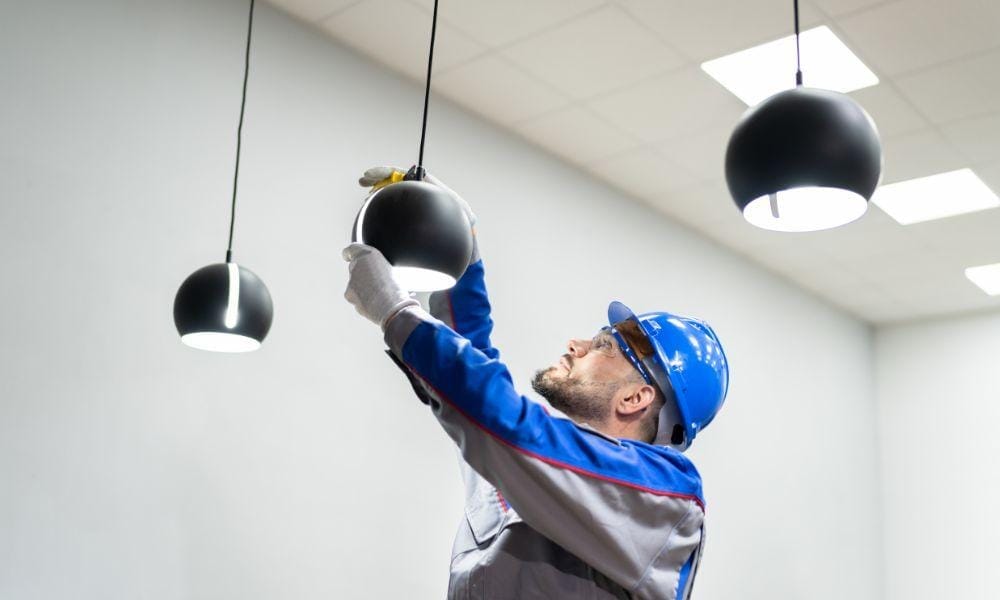
Several factors should influence your lighting decisions. First, consider the size of your office. In smaller spaces, one or two well-placed lights might suffice, while larger areas may require multiple light sources. Other considerations include wall color and ceiling height—lighter walls reflect more light, and higher ceilings often work well with pendant lights. Finally, incorporate your personal style to create a workspace that feels uniquely yours.
Selecting the Best Desk Lamp for Task Lighting
Desk lamps are essential for most home offices, and the right lamp can enhance both functionality and style. Look for lamps with adjustable arms or swivel heads to direct light exactly where you need it. LED desk lamps are popular for their high brightness and energy efficiency, with some models offering dimming features to customize brightness according to your tasks.
Determining the Right Brightness Level
Your lighting should match the demands of your work. For general office tasks, such as reading or typing, 300 to 500 lumens is generally sufficient. For more detailed tasks like drafting or analysis, higher brightness levels are beneficial. Adjustable lighting options allow you to vary brightness throughout the day based on changing natural light and personal preferences.
Understanding Color Temperature for Home Office Lighting
Color temperature, which indicates the warmth or coolness of light, can greatly affect your workspace’s feel. Lower color temperatures (around 2700K) create a warm, relaxing glow, while higher temperatures (5000K+) mimic daylight. A neutral to cool white range (3500–4500K) is ideal for most home offices, as it promotes focus without being overly harsh.
Choosing the Right LED Bulbs for a Home Office
LED bulbs are efficient, long-lasting, and available in various color temperatures. For task lighting, cooler LEDs are ideal, while warmer LEDs work well for ambient lighting. Since LEDs are compatible with dimmer switches, they offer versatile control over office lighting.
Minimizing Glare for Optimal Comfort
Glare can be a significant issue, especially when using screens for extended periods. Diffused lighting and positioning lamps to avoid direct reflections on surfaces help reduce glare. Anti-glare desk lights, window treatments, or adjustable shades also improve comfort by reducing eye strain, allowing you to stay focused for longer.
Layering Your Home Office Lighting
Layered lighting, which combines multiple light sources, creates a balanced and well-lit space. Start with ambient lighting to brighten the room, then add task lighting for work-specific areas. Finally, use accent lighting to soften shadows and add warmth. This layered approach increases functionality and gives the room an aesthetically pleasing ambiance that boosts productivity.
Choosing Lighting Fixtures to Match Your Office Design
Your home office lighting should complement the room’s overall design. The right fixtures enhance both ambiance and style, helping create a cohesive, welcoming workspace. Here’s how to match lighting with your office décor:
Modern Minimalism: For a minimalist look, choose sleek fixtures with clean lines, such as recessed lighting, streamlined desk lamps, or simple pendant lights.
Classic Style: Ornate fixtures, such as chandeliers or decorative wall sconces, create a timeless, elegant look that suits traditional office spaces.
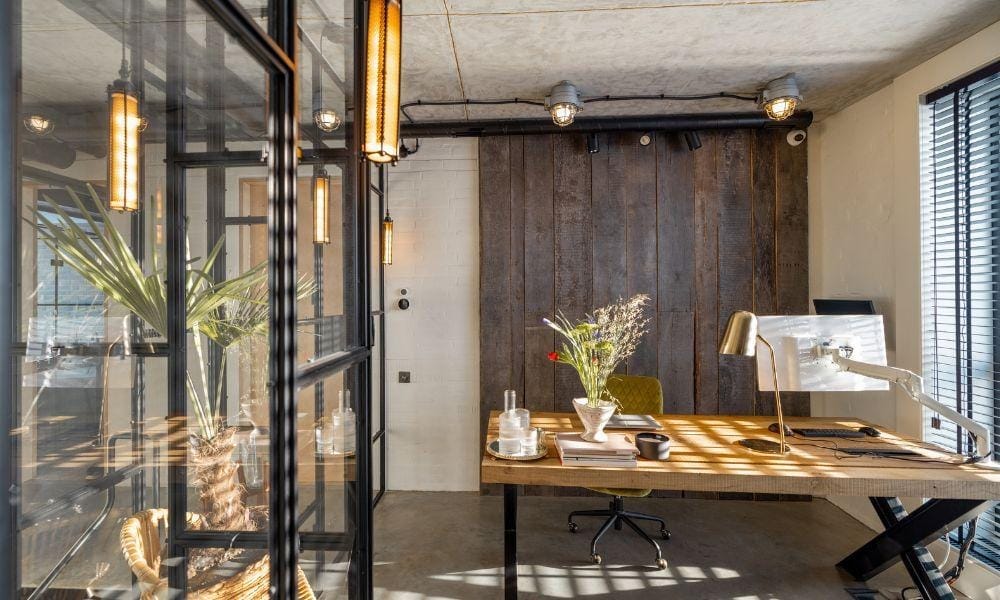
Industrial Aesthetic: Exposed bulbs, metal finishes, and wire detailing add character and an edgy vibe to industrial-themed offices.
Matching your lighting fixtures to your décor enhances the cohesiveness of your workspace and creates a more engaging environment.
The Benefits of Dimmable and Adjustable Lighting
Dimmable and adjustable lighting offers flexibility, allowing you to tailor your workspace ambiance. Dimmable lights are especially useful in early mornings or late evenings, creating a calm atmosphere when brighter lighting isn’t needed. Look for lamps with built-in dimmers or add dimmer switches to your current setup for greater control.
Positioning Your Lighting for Maximum Effect
Proper light positioning is essential for an efficient workspace. Avoid placing lighting directly behind you to prevent shadows on your desk. Ambient lighting should be positioned overhead, while task lighting should be next to your work area. Strategic placement ensures every area is well-lit and shadow-free, supporting productivity.
Smart Lighting Options for a Home Office
Smart lighting is increasingly popular for home offices, offering features like color customization, scheduling, and remote control. Smart bulbs allow you to adjust color and brightness using voice commands or a smartphone app. With preset options, it’s easy to switch between a productive work mode and a more relaxed setting during breaks.
Budget-Friendly Lighting Solutions for a Home Office
Acquiring well-designed lighting doesn’t have to be expensive. LED bulbs are energy-efficient and affordable, helping reduce electricity costs. Thrift stores or online marketplaces often offer chic second-hand fixtures. Small changes, like repositioning lights or adding dimmer switches, can make a significant impact without breaking the bank.
Conclusion: Tips for Choosing the Ideal Home Office Lighting
Achieving the perfect lighting setup for your home office is a blend of thoughtful planning and personal preference. By incorporating layered lighting, paying attention to brightness and color temperature, and utilizing different types of fixtures, you can cultivate an environment that not only meets your functional needs but also enhances your creativity. Don’t hesitate to experiment with various arrangements until you discover the ideal balance that suits your workflow and aesthetic. Remember, the right lighting can significantly impact your mood and productivity levels. So take the time to optimize your workspace—your ideal home office awaits!