
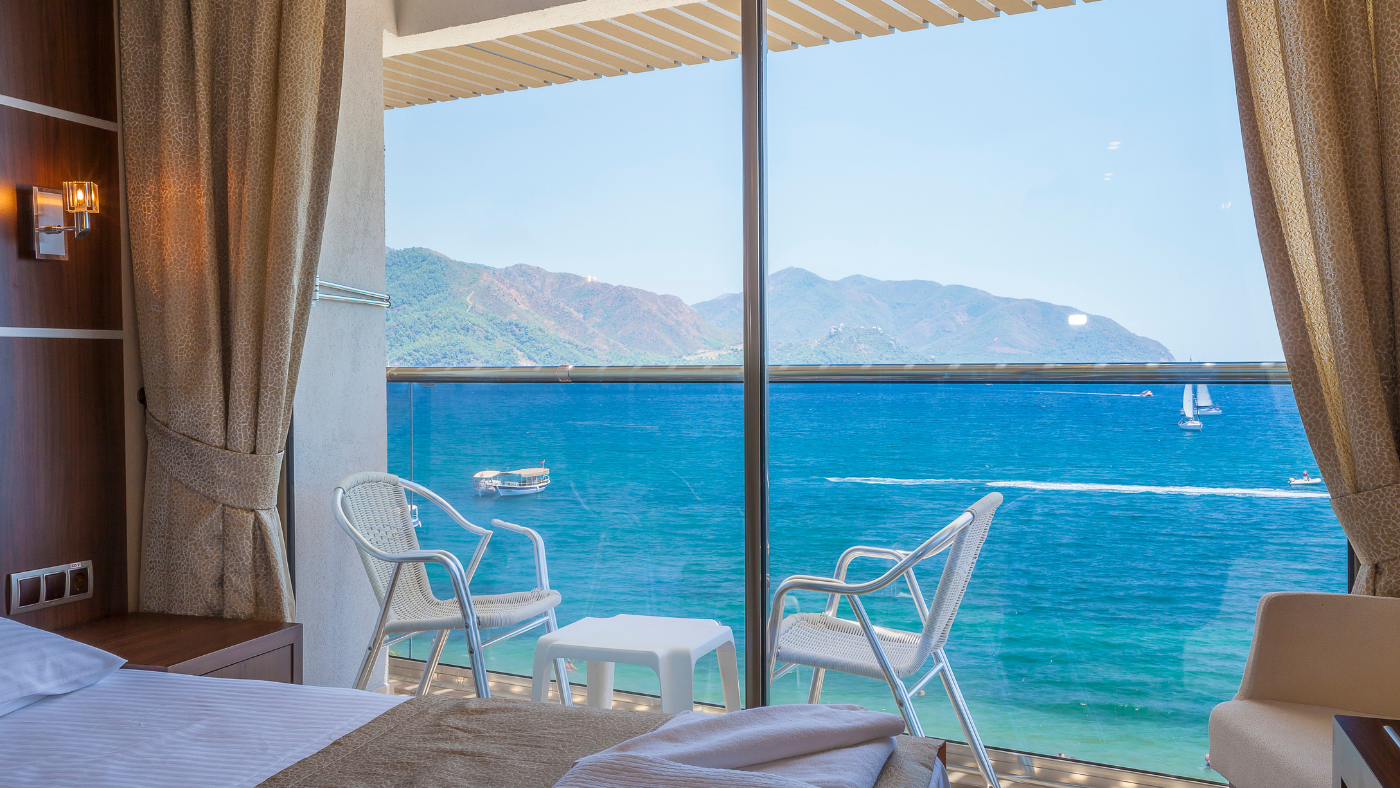
POV: you’re working from a café in Bali, laptop humming along while you watch surfers tackle the morning waves. Sounds like pure fantasy, right? Well, for tons of digital nomads around the world, this is literally just another Tuesday.
But here’s what those dreamy Instagram posts don’t show you – the real art of nomad life isn’t about finding the most photogenic workspace. It’s about finding places to stay that don’t drain your bank account while actually letting you get stuff done. And trust me, there’s a big difference between a place that looks good in photos and one where you can actually be productive without going broke.
Whether you’re already living the nomad dream or still planning your escape from cubicle land, figuring out smart accommodation choices and budget management can literally make or break your entire experience. So let’s get into the nitty-gritty stuff that actually matters – the tools, tricks, and strategies that’ll keep you comfortable and financially sane on the road.
Where to Actually Sleep (Without Going Broke)
Airbnb: Still the Champion for Good Reason

Okay, I know everyone talks about Airbnb, but there’s a reason it’s become the go-to for nomads who aren’t trying to live in hostels forever. Unlike hotels where you’re stuck eating overpriced room service, Airbnb places usually come with kitchens, proper workspaces, and that “I can actually live here” feeling that’s crucial when you’re trying to get real work done.
Here’s a pro tip that’s saved me hundreds of dollars: always look for listings that specifically mention “work-friendly” or “high-speed WiFi.” More and more hosts are waking up to the fact that nomads are great guests – we’re usually quiet, respectful, and stay longer than tourists. Don’t be shy about messaging hosts before booking to ask about internet speeds. A quick “Hey, I work remotely and need reliable internet – what speeds can I expect?” can save you from a week of frustration.
And here’s where it gets really good: if you’re staying 28+ days, you’ll often get massive monthly discounts. I’m talking 30-50% off the nightly rate, which suddenly frees up money for that co-working space membership or weekend trip you’ve been eyeing.
Booking.com: Not Just for Business Travelers Anymore

You might think of Booking.com as just a hotel site, but they’ve actually expanded way beyond that. Their apartment and extended-stay options are perfect when you want the reliability of a hotel booking system but the space and amenities of an actual apartment.
The real game-changer here is their “Genius” loyalty program. Look, I used to think hotel loyalty programs were just marketing nonsense, but when you’re constantly booking accommodations, those 10% discounts and free cancellations actually add up to serious money. Plus, the peace of mind that comes with being able to cancel without penalties? Priceless when your travel plans inevitably change.
Selina: The Nomad Paradise You’ve Been Dreaming About
Now this is where things get interesting. Selina basically looked at the nomad community and said, “What if we just built accommodations specifically for these people?” With properties all over Latin America, Europe, and expanding beyond, Selina spaces come with built-in coworking areas, networking events, and a community of people who actually get why you’re working from a beach in Costa Rica.
Their “CoLive” program is honestly brilliant – you get your accommodation, workspace, and instant community all rolled into one package. Yes, it costs more than staying in some random hostel, but when you factor in what you’d spend on coworking and the networking opportunities you get, it often makes financial sense. Plus, there’s something to be said for walking downstairs to your office instead of hunting for cafés with decent WiFi every morning.
Money Management That Won’t Drive You Crazy
Revolut: Your New Financial Best Friend
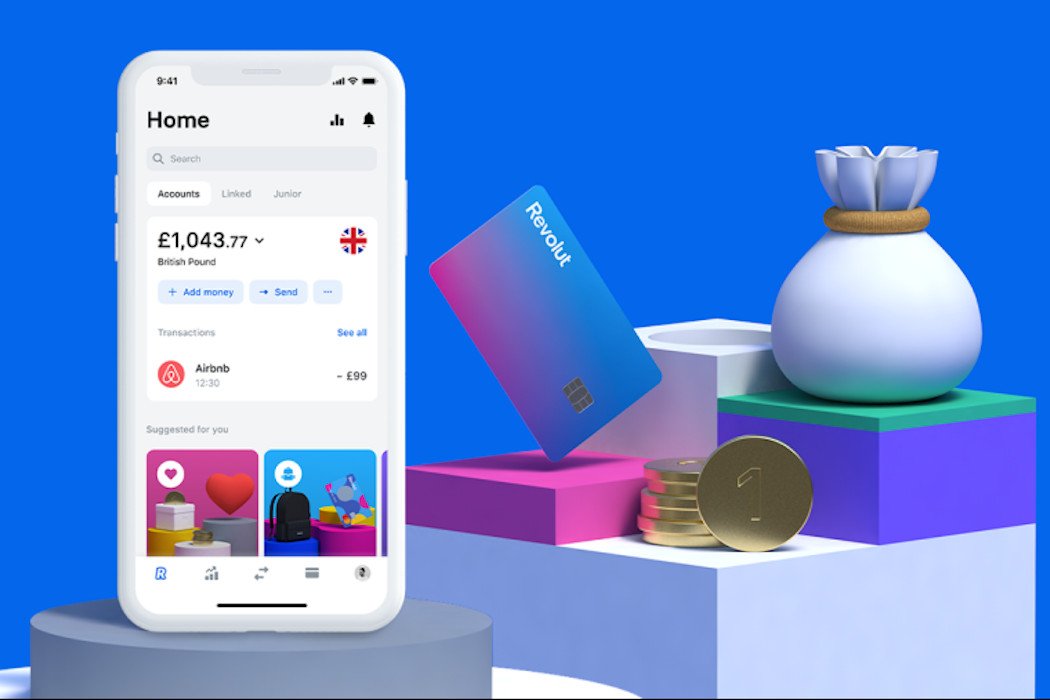
Can we talk about how managing money used to be an absolute nightmare when you were constantly switching countries and currencies? Thank goodness for Revolut, because this digital bank has seriously changed the game for nomads everywhere.
Real-time currency exchange, no foreign transaction fees (up to certain limits), and instant notifications every time you spend money – it’s like having a financial advisor in your pocket. But here’s the feature that’s really saved my bacon: their budgeting tools let you set spending limits for different categories. So you can set a monthly accommodation budget, food budget, entertainment budget – super helpful when you’re bouncing between countries where a coffee costs $1 in one place and $6 in another.
Splitwise: Because Money Drama Kills the Vibe
Traveling with other nomads?Splitwise is essential for managing shared expenses. Whether you’re splitting an Airbnb rental, group dinners, or transportation costs, this app keeps everyone accountable and prevents those awkward money conversations.
Trail Wallet: Simple Expense Tracking
Sometimes you don’t need a fancy app with seventeen different features – you just need something simple that tracks where your money’s going. Trail Wallet is designed specifically for travelers and lets you log expenses in any currency without making you feel like you need a finance degree.
The visual spending reports are honestly eye-opening. You’ll probably discover you’re spending way more on coffee than you realized (guilty as charged), but at least you’ll know where to adjust your budget.
Essential Gear for Comfortable Nomad Living
A Quality Travel Router
Let me tell you about every nomad’s worst nightmare: sitting down to start an important client call only to discover the WiFi is basically nonexistent. The GL.iNet GL-MT300N-V2 Mini Travel Router has literally saved my bacon more times than I can count.
This little device – seriously, it’s tiny – can boost weak signals, create your own secure network, and even work as a VPN client. For around $25, it’s basically insurance against those “sorry, the internet is down and we don’t know when it’ll be fixed” moments that could totally derail your productivity. Plus, it fits in your pocket, so there’s no excuse not to pack it.
Portable Laptop Stand
Your future self will send thank-you cards if you invest in a good portable laptop stand. The Roost Laptop Stand is what most nomads swear by – it folds completely flat (we’re talking paper-thin), weighs practically nothing, and can turn any random surface into a proper workstation.
Look, working from café tables and kitchen counters is part of the nomad charm, but your neck and back shouldn’t have to suffer for it. Pair a laptop stand with a wireless keyboard and mouse, and suddenly you’ve got an ergonomic setup anywhere you go. Your chiropractor will thank you.
Universal Travel Adapter with USB Ports
The Epicka Universal Travel Adapter isn’t just another travel adapter – it’s basically a portable charging station. With multiple USB ports and compatibility with outlets in over 150 countries, you can finally stop carrying a bag full of different chargers and adapters.
The built-in safety features are clutch too, especially when you’re dealing with electrical systems you’re not familiar with. Power surges can fry your electronics, and replacing a laptop while you’re in the middle of nowhere isn’t exactly fun or cheap.
Smart Money-Saving Strategies
House Sitting: Free Accommodation with Purpose

Here’s a money-saving strategy that’s actually kind of brilliant: house sitting. Platforms like TrustedHousesitters connect nomads with homeowners who need someone to watch their place (and often their pets) while they’re away. It’s honestly a perfect match – you get free accommodation in often amazing locations, and they get peace of mind about their home.
I know nomads who’ve scored month-long stays in gorgeous homes just for walking a dog twice a day or watering some plants. The catch? You need to build up good reviews and establish trust, which takes time. But once you’re in the system, the savings can be enormous. We’re talking about staying for free in places that would normally cost $100+ per night.
Co-Working Space Memberships vs. Day Passes
Here’s a mistake I see new nomads make all the time: they buy daily coworking passes without doing the math. If you’re going to be somewhere for more than a week or so, a monthly membership is almost always more economical. Plus, memberships usually come with perks like free coffee, printing access, and networking events.
Selina’s CoWork pass is particularly smart if you’re planning to hit multiple locations – you can work in their Mexico City space, then use the same pass in their Lisbon location the next month. It’s like having a global office membership.
Local SIM Cards vs. International Plans
Can we please talk about how much of a rip-off international data plans are? Your home carrier’s international plan is probably charging you $10+ per day for data that would cost $10 for an entire month locally.
Invest in an unlocked phone and buy local SIM cards wherever you go. Airalo offers eSIM cards for over 100 countries, so you can get connected before you even land. The savings are honestly dramatic – money that’s way better spent on comfortable accommodations and amazing experiences.
Insurance and Protection: Don’t Skip This Part
SafetyWing: Nomad Insurance Made Simple
I get it – insurance is boring and feels like throwing money away until you actually need it. But SafetyWing was built specifically for nomads, and their approach makes sense. Medical emergencies, trip delays, and even some personal belongings coverage for around $40-50 per month.
What makes SafetyWing different is the flexibility. You can buy coverage while you’re already traveling (most traditional travel insurance won’t let you do this), extend it month by month, and it covers you in over 180 countries. Traditional travel insurance usually has all these weird restrictions about when you can buy it and how long you can travel.
World Nomads: Comprehensive Coverage
If you’re planning to do more adventurous stuff – like bungee jumping in New Zealand or scuba diving in Thailand – World Nomads offers more comprehensive coverage including adventure sports and higher coverage limits. It’s more expensive than SafetyWing, but if you’re the type who can’t resist trying every adrenaline-pumping activity you come across, the extra coverage is probably worth it.
Technology That Keeps You Connected and Productive
NordVPN: Your Digital Security Guard
Working from public WiFi networks is basically like leaving your front door wide open. NordVPN encrypts your internet connection, which protects sensitive work data and client information from potential hackers who might be lurking on the same café network.
Beyond security, a VPN lets you access geo-restricted content and services. Need to check your US banking website while you’re in Thailand? NordVPN makes it think you’re still sitting in Kansas. It’s like having a digital teleportation device.
Notion: Your Digital Nomad Command Center

Notion is honestly like having a personal assistant, filing cabinet, and project manager all rolled into one app. You can create databases to track accommodations you’ve loved (and ones to avoid), expenses, travel plans, packing lists – basically everything related to your nomad life.
The collaboration features are perfect if you’re traveling with others or working with remote teams. And it works offline, which is absolutely crucial when you’re in areas where internet is more of a suggestion than a guarantee.
Making It All Work: Practical Budget Planning
The 50/30/20 budgeting rule works really well for nomads: 50% for necessities (accommodation, food, transport), 30% for wants (entertainment, dining out, activities), and 20% for savings and emergency funds.
But here’s the nomad twist: your percentages will shift dramatically depending on where you are. Your “necessities” might eat up 70% of your budget in expensive cities like London or Tokyo, but only 30% in places like Chiang Mai or Medellín. The key is researching your destination’s cost of living before you arrive and adjusting your expectations accordingly.
Use tools like Numbeo to research costs ahead of time, and apps like Revolut to track spending in real-time. This prevents those “holy crap, where did all my money go?” moments that can seriously derail your nomad adventure.
Your Next Steps to Nomad Success
Living as a digital nomad doesn’t have to mean constantly stressing about money or sleeping in uncomfortable places just to save a few bucks. With the right tools, platforms, and strategies, you can create a lifestyle that’s both financially sustainable and actually enjoyable.
Start by picking one or two accommodation platforms that match your travel style and budget. Invest in the essential gear that’ll make any space feel like a proper home office. Set up the financial tools that’ll keep your budget on track as you hop between currencies and countries.
But most importantly, remember that successful nomadism is all about finding the right balance – between adventure and productivity, experiences and savings, spontaneity and smart planning. You don’t have to choose between living well and living within your means.
The nomad lifestyle can be absolutely amazing when you approach it thoughtfully. So do your research, invest in the right tools, and get ready to discover just how good life can be when you’re not tied to one zip code. Your future nomadic self is going to thank you for doing the groundwork now!